

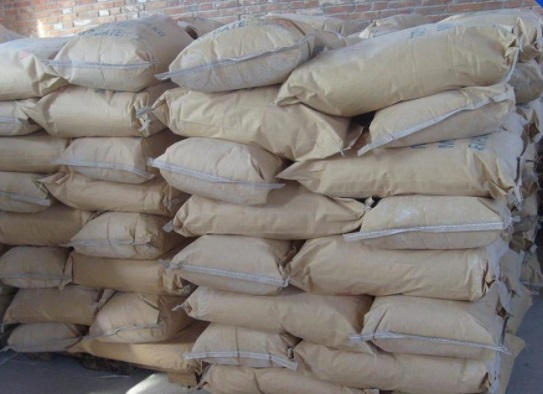
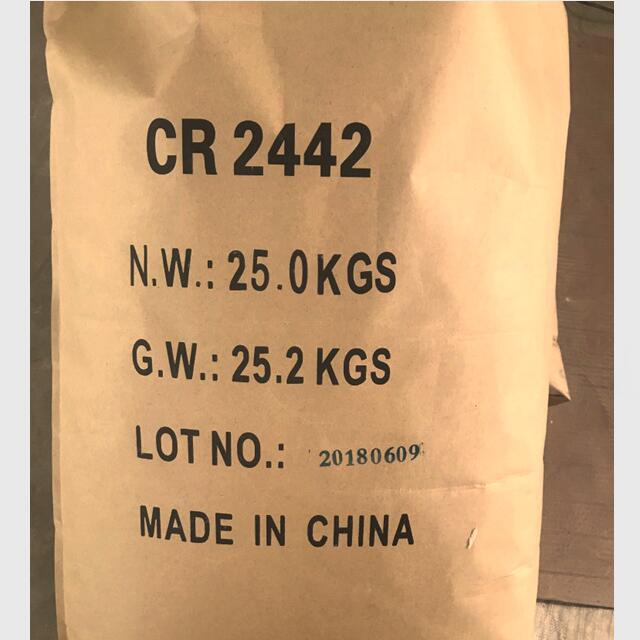
Chloroprene Rubber CR2442
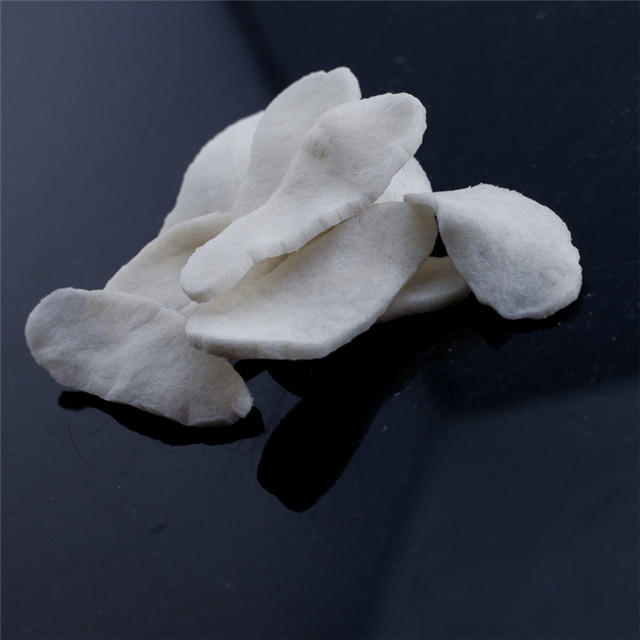
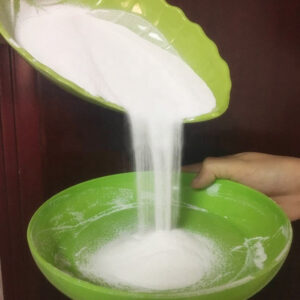
Chloroprene rubber CR2442 appears as a lumpy matter that varies in color from milky white to slightly yellowish. You can see it as white or grey chips commonly. The Chloroprene rubber does not have any mechanical impurities other than talcum powder. The primary characteristics of chloroprene rubber include a high crystallization rate along with strong cohesion and higher adhesion strength. Most important of all, chloroprene rubber has promising ozone resistance capabilities.
Chemical application and strengths:
-
- The application of Chloroprene rubber is primarily evident as a raw material for the production of adhesives. It is suitable for the production of adhesive cement and is used alone or in some cases, with other types for preparation of adhesives with a higher tack. The use of chloroprene rubber is largely evident in the preparation of adhesives for the shoe industry as well as rubber, metal, wood, leather, and construction materials.
-
- The productivity of Chloroprene rubber is due to the high bond strength obtained through mercaptan modification and chloroprene monomer through emulsion polymerization. The notable uses of chloroprene rubber in making adhesives is through the preparation of resin solution and the preparation of adhesives. The preparation of resin solutions involves the use of mixed solvents, phenolic resin, distilled water, and active magnesium oxide for a chelate reaction at normal room temperature. The resin solution in the output could be stocked up for future uses.
- The preparation of adhesives by using Chloroprene rubber involves two types of processes such as plasticization and dissolution. Plasticization involves placing the rubber on the mill for smoothening the surface and bringing additional luster. The dissolution process involves the addition of mixed solvents and plasticized rubber sheets in a tank followed by stirring till the complete dissolution of rubber sheets. Then, the resin solution is added for preparing adhesives.
Frequently Asked Questions
1. Why do industrial buyers choose Chloroprene Rubber CR2442?
2. How can you use CR2442 in rubber and industrial applications?
3. What benefits does Chloroprene CR2442 offer in manufacturing?
4. How does CR2442 support adhesive and rubber product formulations?
5. Why should manufacturers choose Chloroprene Rubber CR2442 as a raw material?
6. Moreover, what specifications and packaging options can you choose for CR2442?
7. How can you store and handle Chloroprene Rubber CR2442 properly?
8. Furthermore, can you buy CR2442 in bulk quantities?
9. How can you choose a reliable Rubber CR2442 supplier?
10. What should you check before importing CR2442?
11. Finally, how can you find a trusted Chloroprene Rubber CR2442 manufacturer and exporter?
12. How can you get a competitive CR2442 price for bulk orders?

Reviews
There are no reviews yet.