

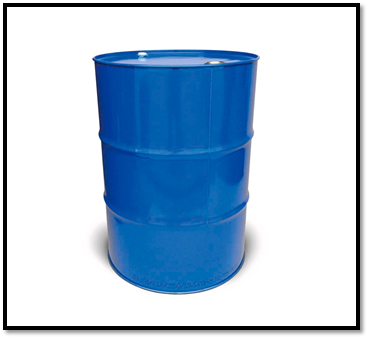


Dietilenoglicol – DEG
Dietilenoglicol – DEG is an organic compound. It is a very useful chemical compound which is industrially produced from the partial hydrolysis of ethylene oxide. Categorised as a poisonous chemical and its chemical formula is C4H10O3. It is a water-soluble liquid.
Chemical Appearance
Dietilenoglicol – DEG has the appearance of a colourless liquid. It is an odourless compound. Diethylene Glycol is a hygroscopic liquid. It has a sweetish taste. It is soluble in water, alcohol, ether, acetone, and ethylene glycol.
Chemical Applications and Strengths
Dietilenoglicol – DEG or Diethylene Glycol is an extremely useful chemical compound and therefore, has many industrial applications. Its main applications and strengths are:
- Manufacturers primarily use diethylene glycol (DEG) as a solvent for resins, dyes, oils, and other organic compounds.
- Manufacturers use DEG to produce unsaturated and saturated polyester resins.
- DEG plays an important role in the production of polyurethanes.
- Plastic manufacturers use DEG to produce plasticisers, including plasticisers for cork and synthetic sponges.
- Chemical manufacturers use DEG as a key component in the organic synthesis of products such as morpholine and 1,4-dioxane.
- Manufacturers use DEG as a humectant in tobacco, cork, printing inks, and adhesives.
- Manufacturers use DEG in brake fluids, lubricants, wallpaper strippers, artificial fog and haze solutions, and heating or cooking fuels.
- Personal care manufacturers use DEG in products such as skin creams, lotions, and deodorants.
- Manufacturers often replace DEG with specific diethylene glycol ethers for certain applications.
- Users can apply dilute DEG solutions as cryoprotectants.
- Ethylene glycol production generates DEG as a by-product, and manufacturers may find it in ethylene glycol antifreeze.
- Manufacturers widely use DEG in the production of antifreeze, brake fluids, and cigarettes.
- Natural gas processors use DEG as a dehydrating agent.
- The textile industry widely uses DEG as a textile lubricant and coupling agent and as a solvent in textile dyeing and printing.
- Manufacturers use DEG as an important component in hydraulic fluids.
- Paper manufacturers use DEG as a plasticiser during paper production.
- Chemical manufacturers use DEG as a raw material to produce esters for use as emulsifiers, demulsifiers, and lubricants.
- Petroleum refineries use DEG as a selective solvent for aromatic compounds.
Frequently Asked Questions
1. Why do industrial buyers choose Diethylene Glycol (DEG)?
2. How can you use DEG in industrial and chemical applications?
3. What benefits does Diethylene Glycol offer as an industrial raw material?
4. How does DEG support resin, plasticizer, and chemical manufacturing?
5. Why should manufacturers choose Diethylene Glycol for industrial formulations?
6. What grades and specifications can you choose for DEG?
7. How can you store and handle Diethylene Glycol safely?
8. Can you buy Diethylene Glycol in bulk quantities?
9. How can you choose a reliable DEG supplier?
10. What should you check before importing Diethylene Glycol?
11. How can you find a trusted DEG manufacturer and exporter?
12. How can you get a competitive Diethylene Glycol price for bulk orders?


Reviews
There are no reviews yet.