
2-Hydroxyethyl Acrylate (2-HEA)
2-Hydroxyethyl Acrylate is an organic compound. It is an ester of acrylic acid. It is a very useful chemical compound that is industrially produced by liquid phase esterification of acrylic acid with ethylene oxide. Also produced by the reaction of acrylic acid with ethylene glycol. The chemical formula is C5H8O3.
Chemical Appearance
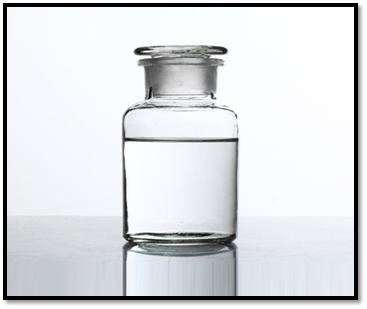
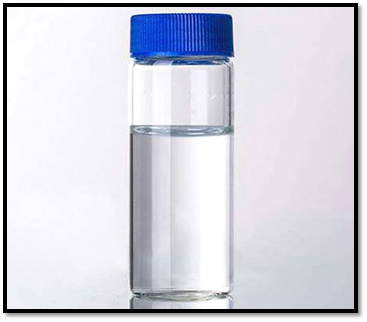
2-Hydroxyethyl Acrylate has the appearance of a clear and colourless liquid. It is slightly less dense than water. Vapours are heavier than air. It is corrosive to tissue. It may polymerise exothermically if heated or contaminated. With mildly pungent ester like odour.
Chemical Applications and Strengths
2-Hydroxyethyl Acrylate or 2HEA is an extremely useful chemical compound and therefore, has many industrial applications. Its main applications and strengths are:
- Manufacturers primarily use 2-Hydroxyethyl Acrylate (HEA) to produce solid polymers and polymer solutions. It forms both homopolymers and copolymers.
- Chemical manufacturers use HEA as a versatile raw material because it readily undergoes addition reactions with many organic and inorganic compounds.
- Manufacturers use HEA to produce binders for various applications.
- Manufacturers use HEA to produce film-forming materials.
- Adhesive and sealant manufacturers use HEA as an important raw material in their formulations.
- Manufacturers use HEA to produce coatings for various applications, including industrial coatings.
- Automotive manufacturers use HEA to produce automotive coatings.
- Construction companies use HEA-based products as concrete additives.
- Plastic manufacturers use HEA as an important component in the production of plastics.
- Manufacturers use HEA to enhance products with properties such as chemical resistance, crosslinking, scratch resistance, adhesion, low VOC emissions, and weather resistance.
- Manufacturers use HEA in building materials such as flooring and insulation.
Frequently Asked Questions
1. Why do manufacturers choose 2-Hydroxyethyl Acrylate (2-HEA)?
2. How can you use 2-HEA in coatings, adhesives, and resin applications?
3. What benefits does 2-Hydroxyethyl Acrylate offer as a functional monomer?
4. How does 2-HEA support acrylic polymer and resin production?
5. Why should manufacturers choose 2-HEA for industrial formulations?
6. What grades and specifications can you choose for 2-Hydroxyethyl Acrylate?
7. How can you store and handle 2-HEA safely?
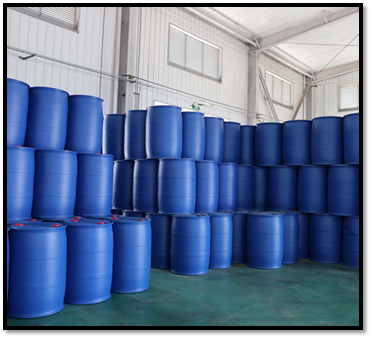
8. Can you buy 2-Hydroxyethyl Acrylate in bulk quantities?
9. How can you choose a reliable 2-HEA supplier?
10. What should you check before importing 2-Hydroxyethyl Acrylate?
11. How can you find a trusted 2-HEA manufacturer and exporter?
12. How can you get a competitive 2-Hydroxyethyl Acrylate price for bulk orders?


Reviews
There are no reviews yet.