
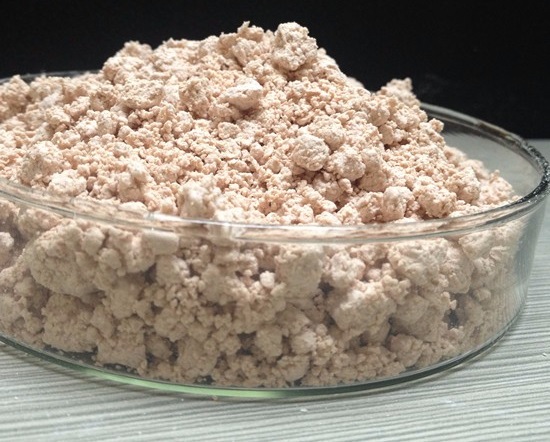
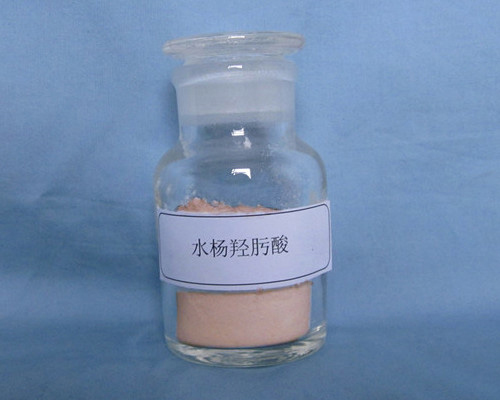
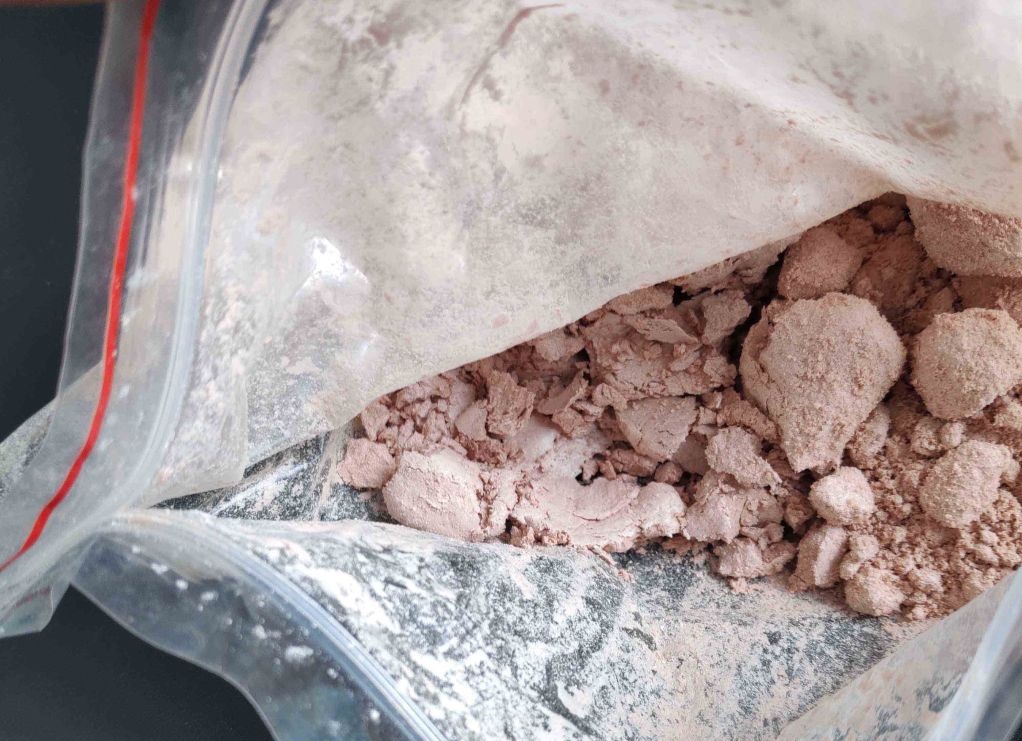
Salicylhydroxamic acid ≥ 60% Chemical application and strength
Salicyl Hydroxamic Acid ≥ 60% or Salicyl Hydroximic Acid when used with iron, tin tungsten, copper, and various rare earth materials will be able to create stable chelate.
Salicylhydroxamic Acid (SHA) demonstrates strong selectivity in mineral flotation. When SHA interacts with alkaline-earth and alkali-metal ions, it can form relatively unstable chelate complexes. In contrast, SHA can form different complex salts with tin, demonstrating its strong affinity and selectivity toward tin minerals.
SHA dissolves readily in water and aqueous alkaline solutions. In tin flotation circuits, operators commonly use SHA together with P86 to improve the selective recovery of tin minerals.
Salicylhydroxamic Acid also provides useful frothing properties, which can support froth formation during mineral flotation. Its relatively low toxicity makes it suitable for controlled use when operators follow appropriate handling and environmental procedures.
SHA requires only low dosages in many flotation applications, although the optimum dosage depends on the ore characteristics and operating conditions. Its selective collecting properties allow operators to consider it for a range of mineral-processing applications.
Storage
Store Salicylhydroxamic Acid in a dry environment away from water, direct sunlight, open flames, and excessive heat. Always keep containers in an upright position and follow the manufacturer’s recommended storage and handling procedures.
Frequently Asked Questions
1. What is Salicylhydroxamic Acid ≥60%?
2. What is SHA in mining chemicals?
3. What does SHA stand for?
4. What is Salicylhydroxamic Acid used for?
5. What are the synonyms of Salicylhydroxamic Acid?
6. What is the chemical formula of Salicylhydroxamic Acid?
7. What is the CAS number of Salicylhydroxamic Acid?
8. What is the molecular weight of Salicylhydroxamic Acid?
9. What does ≥60% mean in Salicylhydroxamic Acid?
10. Is Salicylhydroxamic Acid a hydroxamate collector?
11. Is SHA used as a mining flotation collector?
12. Is Salicylhydroxamic Acid a chelating flotation collector?
13. Which minerals can be floated using Salicylhydroxamic Acid?
- Do operators use SHA for oxide-mineral flotation?
- Do operators use Salicylhydroxamic Acid for oxidized ore flotation?
- Do operators use SHA in tungsten-mineral flotation?
- Do operators use Salicylhydroxamic Acid for tin-mineral flotation?
- Do operators use SHA for rare-earth mineral flotation?
- Do operators use Salicylhydroxamic Acid for copper oxide flotation?


Reviews
There are no reviews yet.