


Zinc Acetate
Zinc Acetate is an organic compound which is categorised as an acetate salt in which zinc is the cationic element. It exists in both anhydrous and dihydrate forms.
Chemical Appearance
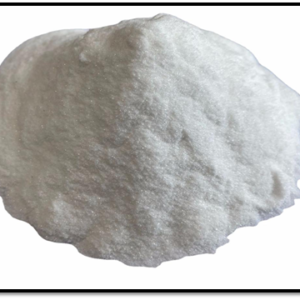
Zinc Acetate has the appearance of a white crystalline solid. It is soluble in water and dilute mineral acids. However, it is insoluble in alkalis. It is a mildly toxic chemical.
Chemical Applications and Strengths
Zinc Acetate or Zinc Ethanoate is an extremely useful chemical compound and therefore, has many industrial uses. Its main applications and strengths are:
-
Manufacturers primarily use zinc to produce dietary supplements.
-
Food manufacturers widely use zinc as a food additive, where it carries the E-number E650.
-
Healthcare professionals use for various medical applications.
-
Manufacturers use zinc as an important ingredient in lozenges for treating the common cold.
-
Healthcare professionals use to treat zinc deficiencies.
-
Patients with Wilson’s disease may take acetate as a daily supplement to reduce copper absorption in the body.
-
Pharmaceutical manufacturers use zinc as an astringent in ointments and topical lotions or combine it with antibiotics to formulate acne treatments.
-
Manufacturers also use zinc acetate in topical anti-itch ointments.
-
Wood-treatment companies use zinc as an effective wood preservative.
-
Textile manufacturers use zinc as a mordant in dyeing processes.
-
Manufacturers use zinc acetate to produce glazes for porcelain painting.
-
Laboratories use zinc acetate as a reagent to test for albumin, tannin, urobilin, phosphate, and blood.
-
Feed manufacturers widely use zinc as a feed additive.
-
Polymer manufacturers use acetate as a cross-linking agent in large-scale polymer production.
-
Manufacturers use acetate to produce adhesives and sealants.
-
Plastic manufacturers use acetate in the production of plastics, plastic products, and plastic additives.
-
Personal-care manufacturers use acetate to produce cosmetics, shampoos, perfumes, soaps, lotions, and toothpastes
Frequently Asked Questions
1. What is Zinc ?
2. What is the chemical formula of ?
3. What is the CAS number of Zinc ?
4. What is the molecular weight of Zinc ?
5. What are the common names and synonyms for Zinc ?
6. What is the difference between Zinc Acetate Anhydrous and Zinc Dihydrate?
7. What are the main uses of Acetate?
8. Which industries commonly use Acetate?
9. Is Acetate used in pharmaceutical manufacturing?
- Do manufacturers use zinc in chemical synthesis?
- Can manufacturers use zinc as a catalyst or catalyst precursor?
- Do textile manufacturers use acetate in textile processing?
- Do manufacturers use zinc in ceramics and coatings?
- Do manufacturers use zinc to produce zinc oxide?
15. What purity grades of Acetate are available?

Reviews
There are no reviews yet.