


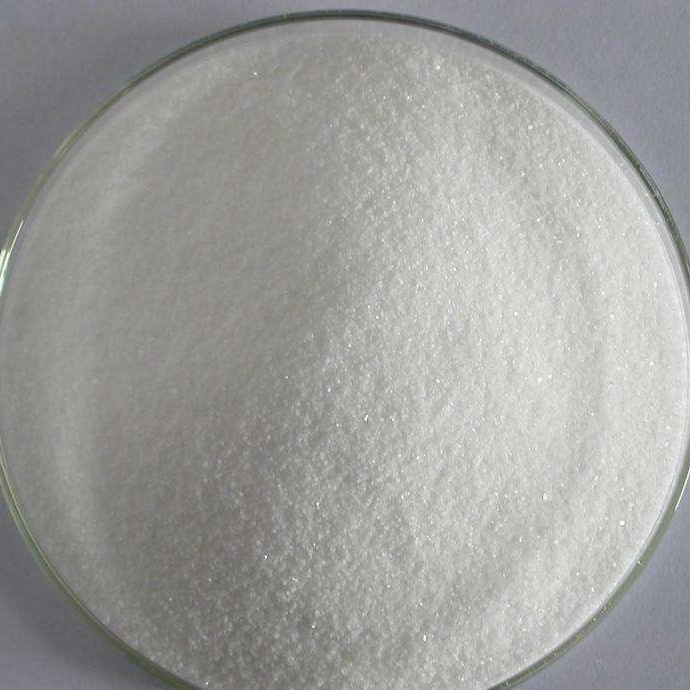
Citric Acid Anhydrous 99% Chemical appearance:
Anhydrous citric acid 99% is presented in a white crystalline powder. It is also packaged in the form of colorless granules or crystals. The crystals have no odor but have a strong acid taste.
Chemical application and strengths:
-
- Anhydrous citric acid has properties similar to those of citric acid monohydrate. The main difference lies in the crystallization process. Manufacturers crystallize citric acid monohydrate in cold water, while they crystallize anhydrous citric acid in water heated to 78°C. During this process, the crystals lose all their water.
Citric acid anhydrous is a strong edible acid, which makes it a common food additive for enhancing flavor. Manufacturers also use it to preserve foods, particularly candies and soft drinks. In addition, citric acid reacts with various metals to form citrate salts. These salts serve as dietary supplements for people who lack minerals such as iron, sodium, and magnesium.
Ice cream manufacturers use citric acid as an emulsifying agent. It prevents sucrose from crystallizing and keeps fats from separating at low temperatures. Chefs also use citric acid as a substitute for fresh lemon juice when preparing various dishes.
On an industrial scale, manufacturers react citric acid anhydrous with sodium bicarbonate to produce various products through an effervescent reaction. They use this reaction to manufacture antacid powders and tablets. Manufacturers also apply the same effervescent effect when producing personal care products such as bath salts and bath bombs.
- Anhydrous citric acid has properties similar to those of citric acid monohydrate. The main difference lies in the crystallization process. Manufacturers crystallize citric acid monohydrate in cold water, while they crystallize anhydrous citric acid in water heated to 78°C. During this process, the crystals lose all their water.
Frequently Asked Questions
1. What is Citric Acid Anhydrous 99%?
2. What is the chemical formula of Citric Acid Anhydrous?
3. What is the CAS number of Citric Acid Anhydrous?
4. What is the molecular weight of Citric Acid Anhydrous?
5. What are the synonyms and alternative names for Citric Acid Anhydrous?
6. What does 99% purity mean for Citric Acid Anhydrous?
7. What is the difference between Citric Acid Anhydrous and Citric Acid Monohydrate?
8. Is Citric Acid Anhydrous the same as 2-Hydroxypropane-1,2,3-tricarboxylic acid?
9. What are the main uses of Citric Acid Anhydrous 99%?
10. Which industries commonly use Citric Acid Anhydrous?


Reviews
There are no reviews yet.