


Copper Sulfate Monohydrate Chemical appearance:
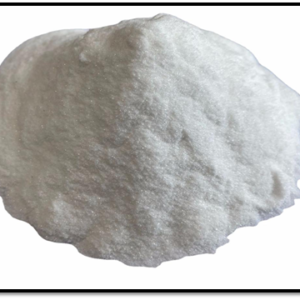
Copper sulfate monohydrate is usually greyish white in color. This is its state without any water molecules in it. When it absorbs some water, it turns to blue pentahydrate crystals or granules. Both types of copper sulphate have same chemical characteristics although they differ in color and their mass. The white powder does not have any odor but is toxic when ingested.
-
- The chemical is highly stable in neutral media and average room temperature. However, it is highly reactive with alkaline media where it decomposes and warms the alkaline material instead. The main use if the compound is a fungicidal spray on grapes, tea, coffee, cotton and cardamom.In rubber cultivation, farmers spray Copper Sulfate Monohydrate over plants to help control fungal attacks on the leaves.CuSO4 Monohydrate dissolves readily in water and decomposes at temperatures above approximately 650°C. It has limited reactivity with many materials but reacts strongly with aluminum and can cause rapid corrosion.
Its toxic properties make CuSO4 Monohydrate effective as a herbicide and fungicide when used at appropriate concentrations. Farmers use it in controlled concentrations to manage fungal growth because some fungi can tolerate higher levels of the compound. They also use it to control fungal diseases affecting berries, grapes, and melons. For these applications, they may combine it with sodium hydroxide.
Pool operators use moderate concentrations of CuSO4 Monohydrate to control algae in swimming pools. It can also help control aquatic snails in aquariums, although users must apply it in carefully controlled quantities because high concentrations can be toxic to fish. In addition, professionals use it to control invasive aquatic plants and manage roots that enter sewer systems.
Frequently Asked Questions
- The chemical is highly stable in neutral media and average room temperature. However, it is highly reactive with alkaline media where it decomposes and warms the alkaline material instead. The main use if the compound is a fungicidal spray on grapes, tea, coffee, cotton and cardamom.In rubber cultivation, farmers spray Copper Sulfate Monohydrate over plants to help control fungal attacks on the leaves.CuSO4 Monohydrate dissolves readily in water and decomposes at temperatures above approximately 650°C. It has limited reactivity with many materials but reacts strongly with aluminum and can cause rapid corrosion.
1. What is CuSO4 Monohydrate?
2. What is the chemical formula of CuSO4 Monohydrate?
3. What is the CAS number of CuSO4 Monohydrate?
4. What is the molecular weight of CuSO4 Monohydrate?
5. What are the synonyms and alternative names for CuSO4 Monohydrate?
6. Is Copper Sulphate Monohydrate the same as CuSO4 Monohydrate?
7. Is Copper Sulfate Monohydrate also called Cupric Sulfate Monohydrate?
8. What does CuSO4·H2O mean?
9. What is the copper content of CuSO4 Monohydrate?
10. What is the difference between Copper Sulfate Monohydrate and CuSO4 Pentahydrate?
11. What is the difference between CuSO4 Monohydrate and anhydrous Copper Sulfate?
12. What are the main uses of CuSO4 Monohydrate?
13. Which industries commonly use CuSO4 Monohydrate?
14. Is Copper Sulfate Monohydrate used as a copper micronutrient?


Reviews
There are no reviews yet.