

EDTA Tetrasodium (Ethylenediamine Tetra-Acetic Acid)
EDTA Tetrasodium is a very useful salt which is made as a result of neutralisation of ethylenediamine tetra acetic acid with four equivalents of sodium hydroxide. It has the chemical formula C10H12N2Na4O8.
Chemical Appearance
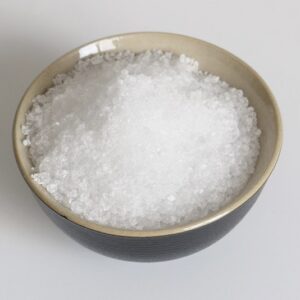
ESTA Tetrasodium has the appearance of a white solid. It is highly soluble in water.
Chemical Applications and Strengths
EDTA Tetrasodium is an extremely efficient chemical compound and therefore, has many industrial applications. Its main applications and strengths are:
- Manufacturers primarily use tetrasodium EDTA to produce cosmetic additives.
- The chemical also plays a significant role in the production of dyeing auxiliaries.
- Manufacturers use tetrasodium EDTA as a source of the EDTA⁴⁻ chelating agent.
- Manufacturers use tetrasodium EDTA as an intermediate to produce ethylenediaminetetraacetic acid (EDTA) commercially.
- Cosmetic manufacturers widely incorporate it into hair and skincare products.
- Manufacturers use it in formulations designed to remove rust.
- Industries use tetrasodium EDTA as a corrosion inhibitor to help prevent corrosion.
- Manufacturers use it to remove scale deposits from metal surfaces, including ferrous metals, copper, brass, and other metals.
- Medical professionals use EDTA in chelation therapy to treat heavy-metal poisoning, including mercury and lead poisoning.
- In the pulp and paper industry, manufacturers use it to inhibit metal ions from catalysing the disproportionation of hydrogen peroxide.
- Food manufacturers use it as a preservative and stabiliser to prevent catalytic oxidative discoloration.
- Manufacturers use tetrasodium EDTA in cleaning solutions, soaps, detergents, and other cleaning products.
- Cement manufacturers use it to determine the free lime and free magnesia content in cement.
Frequently Asked Questions
1. Why do industrial buyers choose EDTA Tetrasodium?
2. How can you use EDTA Tetrasodium in industrial applications?
3. What benefits does EDTA Tetrasodium offer as a chelating agent?
4. How does EDTA Tetrasodium help control metal ions in formulations?
5. Why should manufacturers choose EDTA Tetrasodium for water treatment and cleaning applications?
6. What grades and specifications can you choose for EDTA Tetrasodium?
7. Can you store and handle EDTA Tetrasodium properly?
8. Can you buy EDTA Tetrasodium in bulk quantities?
9. Can you choose a reliable EDTA Tetrasodium supplier?
10. What should you check before importing EDTA Tetrasodium?
11. How can you find a trusted EDTA Tetrasodium manufacturer and exporter?
12. How can you get a competitive EDTA Tetrasodium price for bulk orders?


Reviews
There are no reviews yet.