


Poly Vinyl Alcohol (PVA)
Chemical appearance:
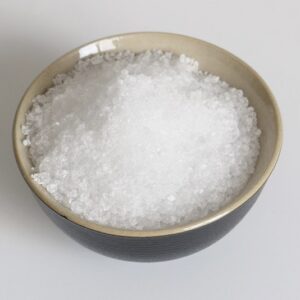
PVA is a water-soluble synthetic polymer. It is usually hazy white and does not have any distinct odor.
Chemical application and strengths:
Polyvinyl alcohol has quality adhesive and emulsifying properties. . Most of these properties are dependent on humidity levels with high levels reducing its tensile strength.
PVA is used in several areas, as follows:
-
- It is used as a release liner in paper coatings
-
- It is used as a modifier and thickener in polyvinyl acetate glues
-
- Works as a carbon dioxide barrier in the production of terephthalate bottles (PET)
-
- Used in the production of chemical-resistant gloves
-
- Used as a fixative in the collection of specimens especially stool in laboratory examinations
-
- In optometry, manufacturers use it in synthetic eye drops to treat dry eyes. Contact lens users also apply it as a lubricant on their lenses.
- Manufacturers use it to produce water-soluble films for packaging, particularly in envelopes that contain laundry detergents.
- Manufacturers use it to make female hygiene products and adult incontinence products, including biodegradable plastic backing sheets.
- Manufacturers combine it with boric acid to produce solid boards and spiral tubes.
- 3D printing operators use it as a support structure and dissolve it away after completing the printing process.
- Manufacturers use it as a surfactant to facilitate the formation of polymer-encapsulated nanobeads.
Frequently Asked Questions
1. Why do industrial buyers choose Polyvinyl Alcohol (PVA)?
2. How can you use PVA in industrial and manufacturing applications?
3. What benefits does Polyvinyl Alcohol offer in adhesives and coatings?
4. How does PVA support textile, paper, and construction applications?
5. Why should manufacturers choose Polyvinyl Alcohol as an industrial raw material?
6. What grades and specifications can you choose for PVA?
7. How can you store and handle Polyvinyl Alcohol properly?
8.Can you buy Polyvinyl Alcohol in bulk quantities?
9. How can you choose a reliable PVA supplier?
10. What should you check before importing Polyvinyl Alcohol?
11.How can you find a trusted PVA manufacturer and exporter?
12. How can you get a competitive Polyvinyl Alcohol price for bulk orders?


Reviews
There are no reviews yet.